Doing It Your Way Embracing Debt And Dying
An Exploration of Seniors, Debt, and the Journey Beyond In the sunset years of life, the weight of debt intertwines with the complexities of health, family, and mortality. The struggle…

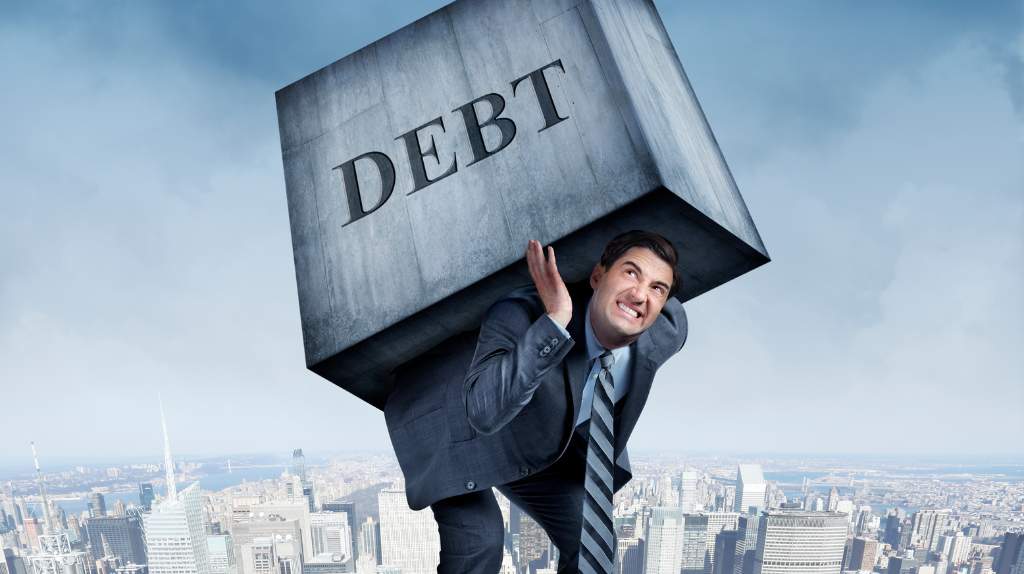
An Exploration of Seniors, Debt, and the Journey Beyond In the sunset years of life, the weight of debt intertwines with the complexities of health, family, and mortality. The struggle…

Throughout my career, I have seen a lot of clients go through a range of emotions relating to experiencing debt relief. Obviously, at first, clients are ‘gung ho’ to get their debt paid off – excited, anxious, motivated. They have many questions relating to the process of debt repayment and how being on a debt management program will impact their lives. Usually clients expect big changes to happen quickly and the turnaround to be immediate.
As the debt repayment program continues on (with a maximum length of 60 months, or 5 years, unless there are student loans involved), clients usually settle into a steady momentum of payments every month. They get used to the money being allocated to their debt and reconfigure their budgets accordingly. Months, then years, go by.
What happens in the interim? Sometimes, unfortunately, people experience debt fatigue during the debt repayment process. What is debt fatigue and how can you manage it?
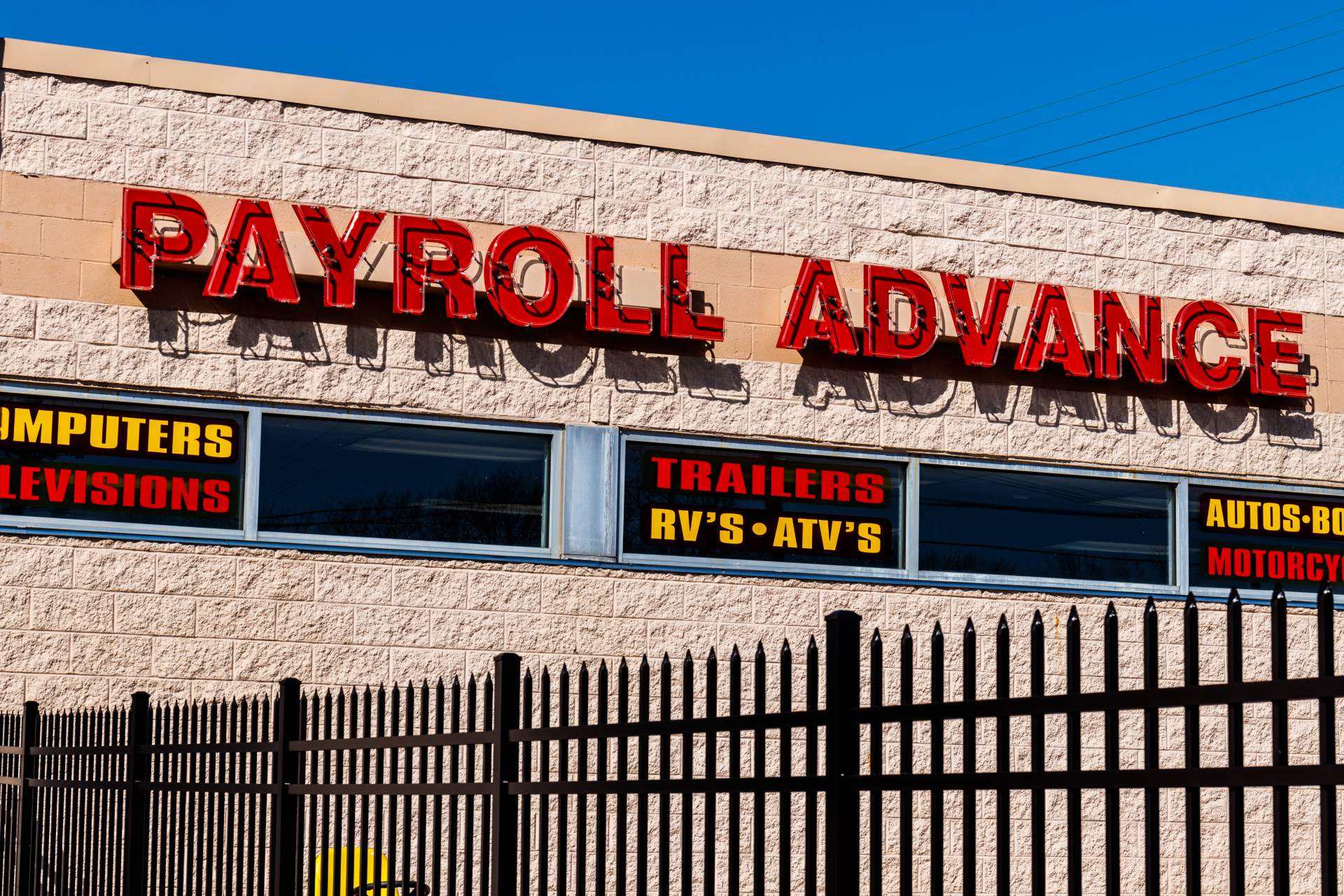
Recently a new casino (aka ‘gaming facility’) opened up in my area. Since it’s opening, new payday lending stores have been popping up all around the vicinity. Coincidence? I think not.
Payday loans provide the quick cash that fuels a gambling addiction. When the gambler is losing, they can simply head next door to the payday lender, get some instant cash, and head back to the casino to win back their loan and the rest of the money lost, right?
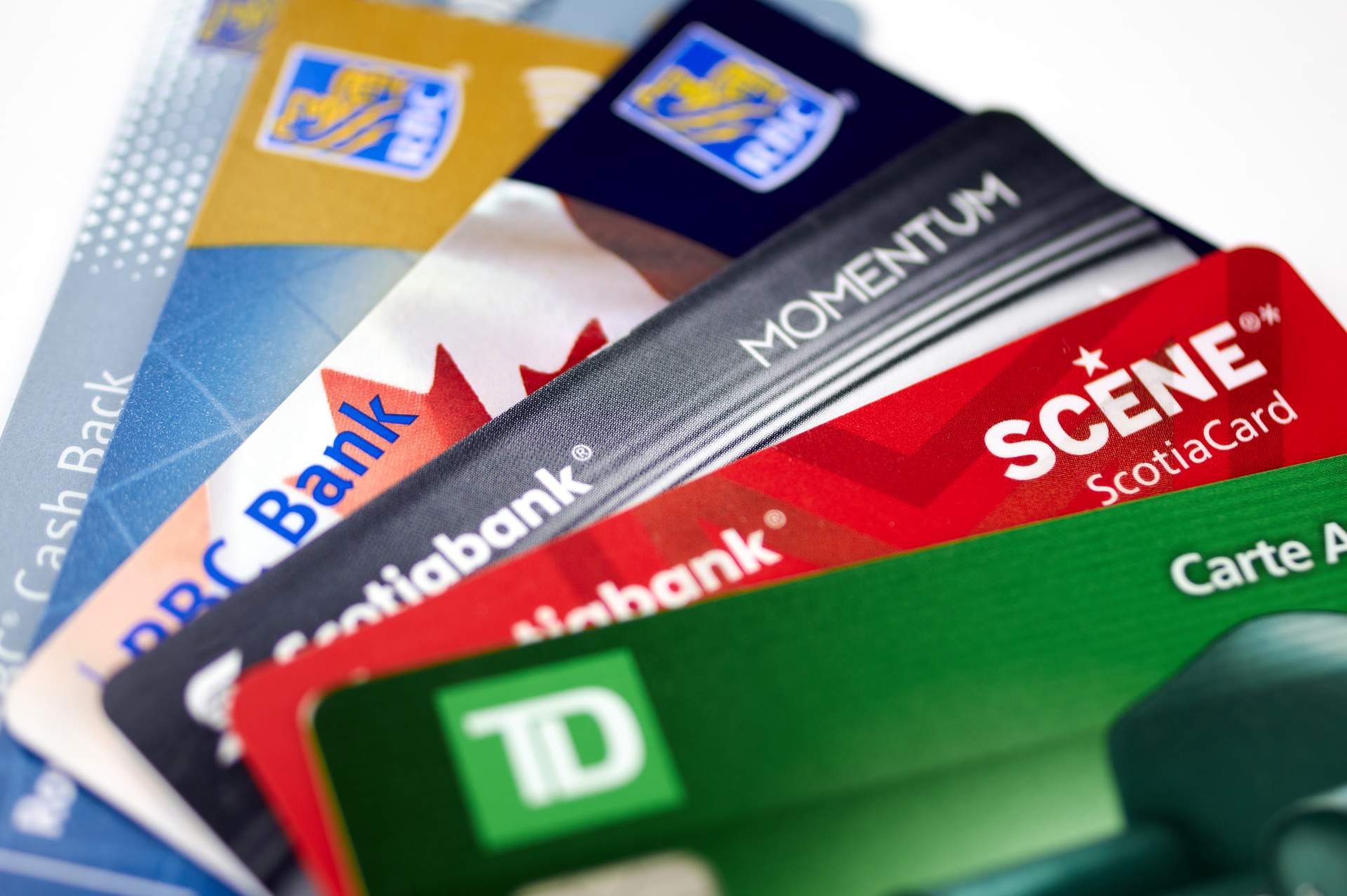
If you find yourself overwhelmed with credit card debt, having trouble making payments or even avoiding collection calls from creditors, know this: you are not alone, and there is help available for you.
We have clients who come to us so deep in credit card debt that they are on the brink of bankruptcy, barely staying afloat from payment to payment. Others aren’t so desperate, but are still looking for a way to get a handle on their debt and become debt free. Credit Solutions is the credit card debt help you are looking for, because we work with you to design a debt repayment program that works for you.
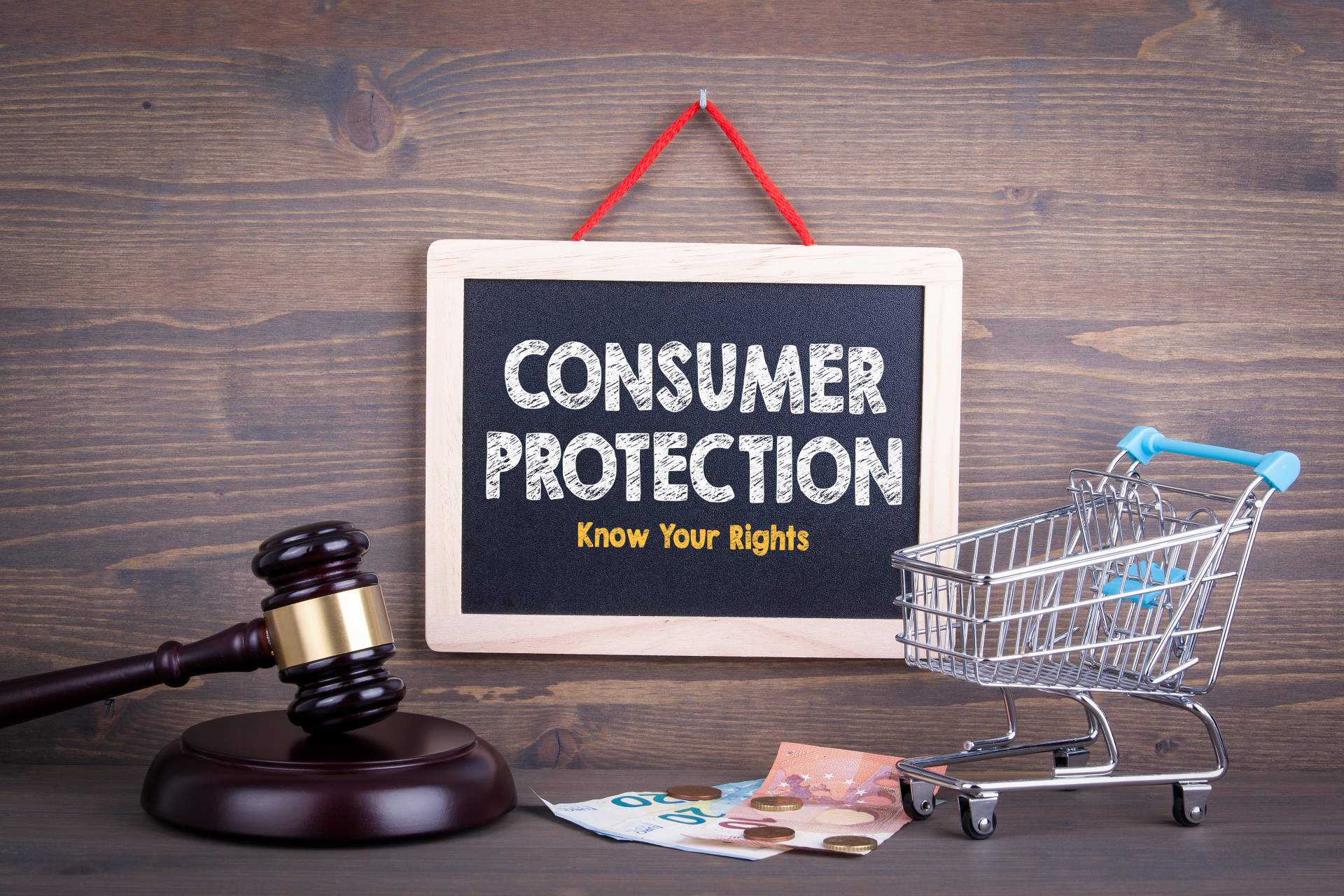
I’ve known about fake credit counsellors for a long time, and I hate to admit it, they are everywhere.
Some collection agencies have adopted the label of credit counsellor to make their collection activity sound and look less threatening. However, at the end of the day, their duty, their contractual duty, (contractual because they have been hired by the creditor to collect their debt) has been always to the creditor, not the debtor.

What is debt insurance? Debt insurance is never called debt insurance, it’s called mortgage insurance, balance protection insurance, and other names. Essentially this insurance is to pay back your creditors in the event of your death or life-threatening injury or illness, depending on the specific coverage. Debt insurance has more benefit for your creditors than it does for you, and here’s why: it’s expensive, the monthly premiums do not go down although the coverage does as the debt decreases over time, and it pays only that creditor for that specific debt. Of course it benefits you too if that is your only insurance option, but it isn’t.
The Solutions™ Credit Counselling Inc. family:



Solutions Credit Counselling is trusted by: