Your rights around inheriting debt in Canada can vary depending on several factors, including provincial…

Are You A Debt Burnout?
Throughout my career, I have seen a lot of clients go through a range of emotions relating to experiencing debt relief. Obviously, at first, clients are ‘gung ho’ to get their debt paid off – excited, anxious, motivated. They have many questions relating to the process of debt repayment and how being on a debt management program will impact their lives. Usually clients expect big changes to happen quickly and the turnaround to be immediate.
As the debt repayment program continues on (with a maximum length of 60 months, or 5 years, unless there are student loans involved), clients usually settle into a steady momentum of payments every month. They get used to the money being allocated to their debt and reconfigure their budgets accordingly. Months, then years, go by.
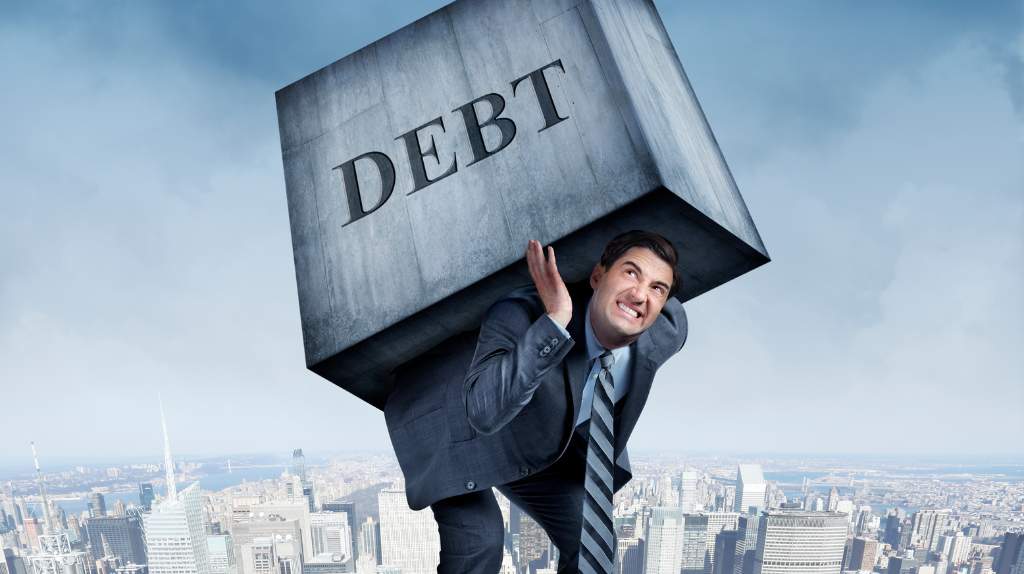
What happens in the interim? Sometimes, unfortunately, people experience debt fatigue during the debt repayment process. What is debt fatigue and how can you manage it?
Many people feel that debt fatigue is the result of the cycle of debt (overspending, using credit, paying down debt, overspending again). I believe that the definition of debt fatigue can also include what occurs when large amounts of debt are being paid off. The problem with debt is it’s easy to acquire and hard to get rid of. When you have to repay your debts over a long period of time, it begins to take a toll on you. To reach your goal, you probably have to forgo vacations, dinners out, casual trips to the mall, fancy haircuts in salons, or partaking in expensive hobbies or interests. Perhaps you have to give up your involvement in clubs or avoid social engagements that involve spending money.
At first this type of ‘deprivation,’ that you are probably unfamiliar with, feels great. You feel empowered, focused, and you can see the results as you start your debt repayment process. However after a time period (months or years), your positive energy may start to wane. You have the dreaded “FOMO” or Fear Of Missing Out. As time wears on, your debt repayment begins to take a toll on you and you become discouraged.
What can you do to keep your intentions intact and your spirits high while you face down your debt? Here are some ideas to get you started:
- Schedule rewards: A reward is so much sweeter when it’s earned through discipline and hard work. When you’re repaying debt it’s important to create experiences and goals to work towards. Having a scheduled reward sounds boring – where’s the spontaneity? – but unplanned spending is probably why you’re in debt. Create a spending plan for your reward (“After I’ve repaid $_______ of my debt, I’ll treat myself to __________.”). Make sure your reward isn’t too extravagant and that you limit it to one reward per goal met.
- Gradually Change Your Habits: Most people experience debt burnout because they try to have an ‘all or nothing’ approach to their budget. Continual deprivation of experiences or items that you have been used to purchasing can cause a relapse in your spending plan. It is important to seek gradual moderation in spending or to consider alternatives to your usual habits. If you’re used to a daily coffee before you go to the office, telling yourself that you can never buy a coffee out again until your debt is repaid is probably not going to be effective. Consider altering your habits gradually – maybe have a coffee out every three days, and then once a week, or make your coffee at home.
- Enlist Support: Your family and friends can be your biggest source of motivation and support when your debt repayment brings you down. Let your supporters in on your progress and your successes. Spending time with the people that you care about can be a great distraction from the struggles of debt repayment and they can offer you fresh perspectives on how to handle any setbacks. Pick your inner circle wisely – only choose those around you who will encourage – and not tempt – you!
Repaying your debt can be a daunting process – set yourself up for success by creating new routines, rewards, and a support system that can help you stay focused. If you’re struggling to find a debt repayment option that works for you, contact a Government Licensed professional today!
Related Posts